Beard Transplant in Lucknow
Beard transplant consultation for individuals seeking improved beard density or coverage. Treatment suitability depends on individual facial hair characteristics, donor availability and clinical assessment.
Introduction
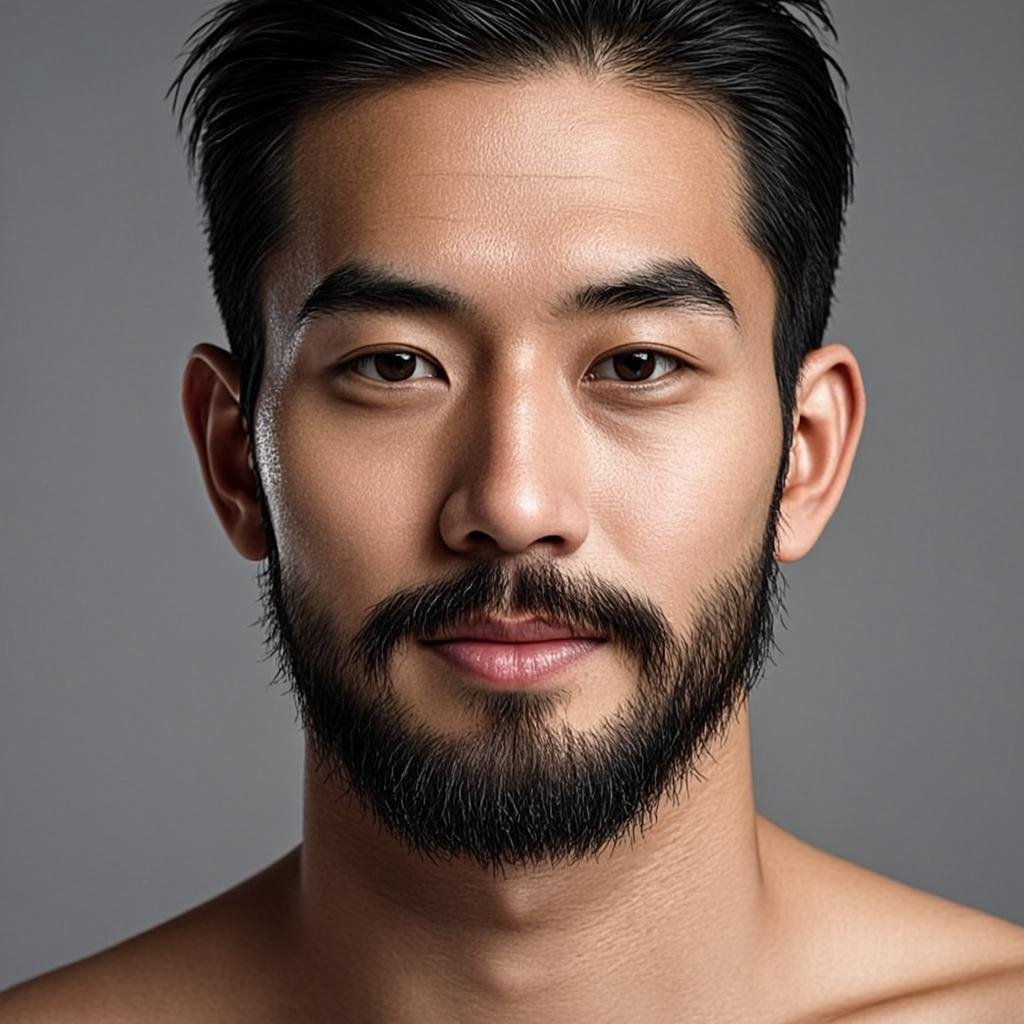
A beard transplant is a surgical procedure in which hair follicles are harvested from a donor area — typically the back of the scalp — and transplplemented into the beard region. It is generally considered by individuals who have patchy beard growth, sparse density, or areas of the beard that do not naturally fill in. The procedure uses techniques similar to those used in scalp hair transplant, such as Follicular Unit Extraction (FUE), where individual follicular units are removed and placed into the recipient sites at angles and directions that follow natural beard growth.
Who May Be Suitable
Suitability is assessed individually during consultation. Candidates may include individuals who:
- Have patchy or thin beard growth with adequate donor-area hair density.
- Are in good general health without conditions that may impair healing.
- Have realistic expectations about achievable density and coverage.
- Wish to address scarring or areas of beard hair loss where appropriate.
- Have stable facial hair characteristics.
Consultation and Assessment Process
Your consultation with Dr. Brajesh Pathak includes an assessment of your beard growth pattern, donor-area density and quality, facial hair characteristics and overall medical history. The goals you have for your beard — whether improved density, fuller coverage or specific area filling — are discussed in detail. Dr. Pathak explains the available options, what the procedure can realistically achieve given your individual anatomy, and the expected recovery and timeline. If a beard transplant is appropriate, a treatment plan is prepared; if not suitable, alternative options are discussed.
Procedure Overview
Where a beard transplant is undertaken, the procedure is performed under local anaesthesia. Follicular units are harvested from the donor area using the chosen technique, and recipient sites are created in the beard region following the natural direction and angle of facial hair growth. The harvested follicular units are then placed into these sites. The number of follicular units required depends on the area to be covered and the desired density. Specific procedural details and session planning are explained during your consultation.
Recovery Information
Following the procedure, mild redness, swelling and scabbing in the beard and donor areas are common and typically settle over the following days to weeks. Post-procedure care instructions are provided, including guidance on washing, shaving restrictions, sleeping position and activity. Initial shedding of transplanted hair is common, with regrowth typically beginning over the following months. Most individuals resume routine activities within a few days, with specific restrictions explained by Dr. Brajesh Pathak. Recovery timelines vary between individuals.
Possible Risks and Limitations
As with any surgical procedure, a beard transplant carries potential risks, which may include:
- Bleeding, infection or delayed healing in the donor or recipient areas.
- Scarring in the donor area — appearance depends on technique and individual healing.
- Temporary shock loss of existing facial hair in the recipient area.
- Uneven growth, suboptimal density or graft survival below expectation.
- Changes in skin sensation, usually temporary.
- Need for additional sessions to achieve desired density.
Medical Disclaimer: The information on this page is general in nature and does not constitute medical advice or a guarantee of outcome. Suitability, risks and expected results vary between individuals and must be assessed in a personal consultation with Dr. Brajesh Pathak. Read the full medical disclaimer.